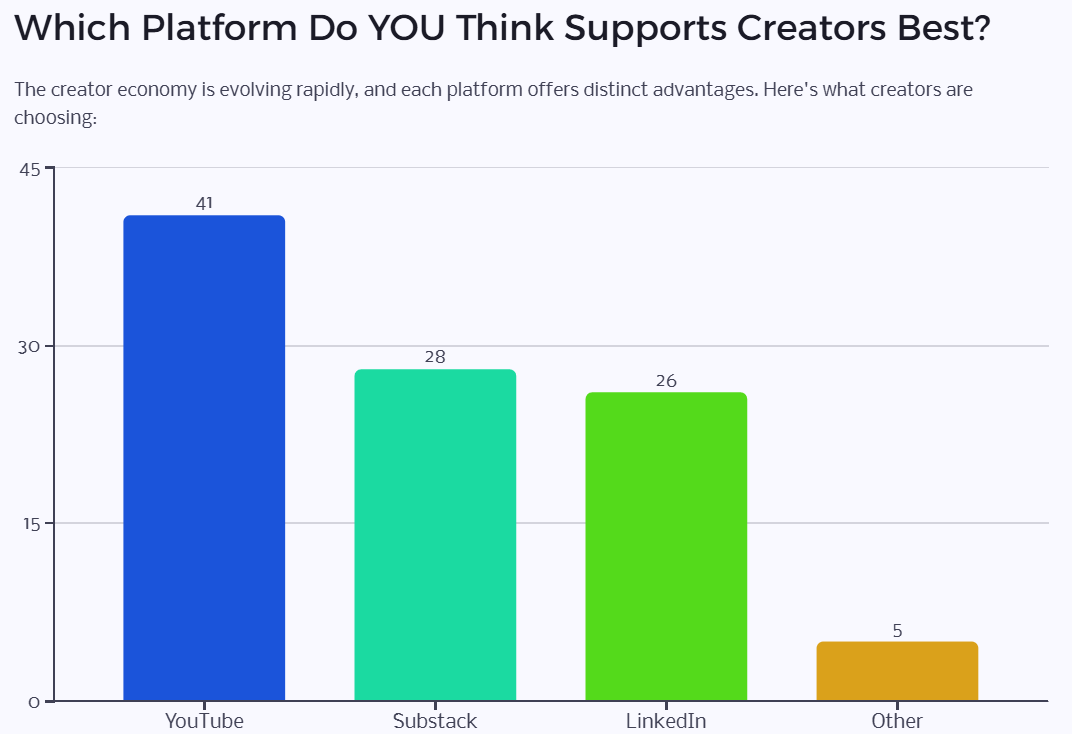
We kicked off the “spooky” edition of The Strategy Session asking one simple question: Which platform supports creators best? We streamed to LinkedIn®, YouTube®, and Substack® and dug into what each platform actually delivers. Audience behavior, Creator tools, Analytics, and real-world business outcomes.
Below are the key takeaways, practical tactics you can use today, and a simple repurposing workflow so your live work becomes an evergreen engine.
Quick verdict
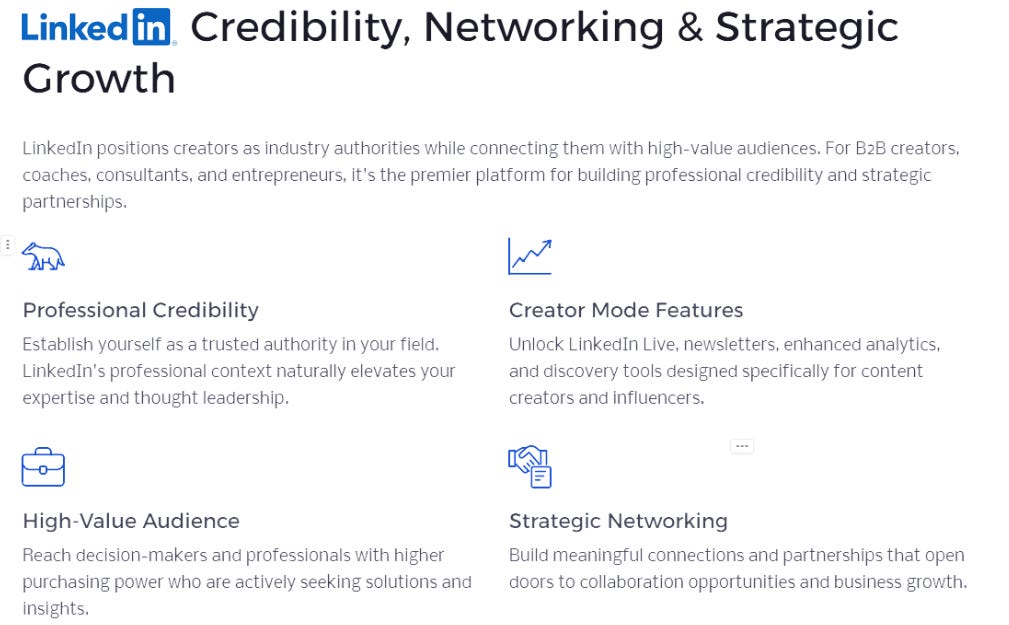
LinkedIn® is best for B2B credibility and direct business inquiries.
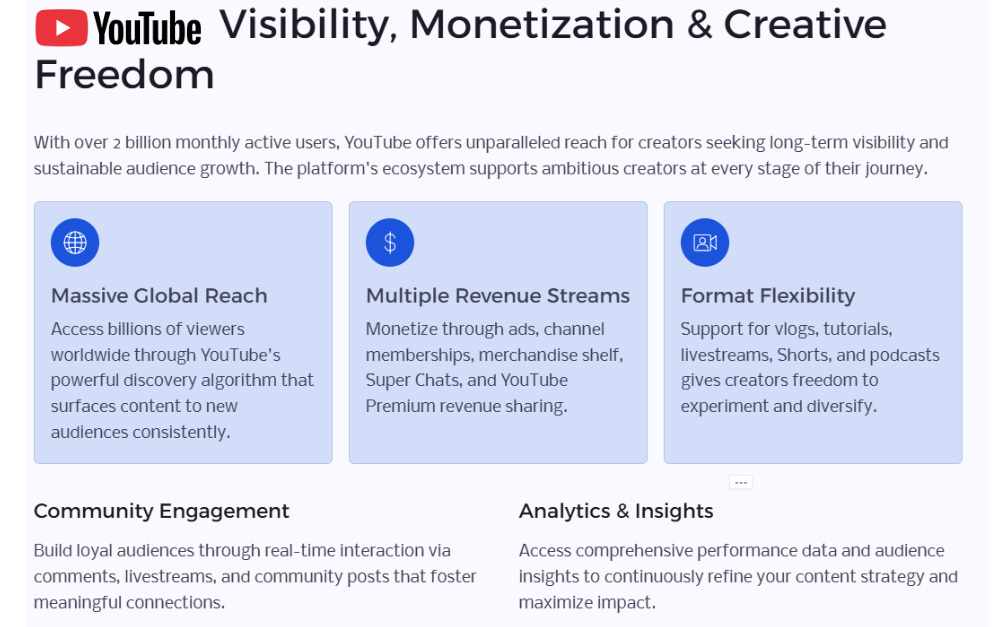
YouTube® is best for discoverability, long-form authority and TV/lean-back consumption.
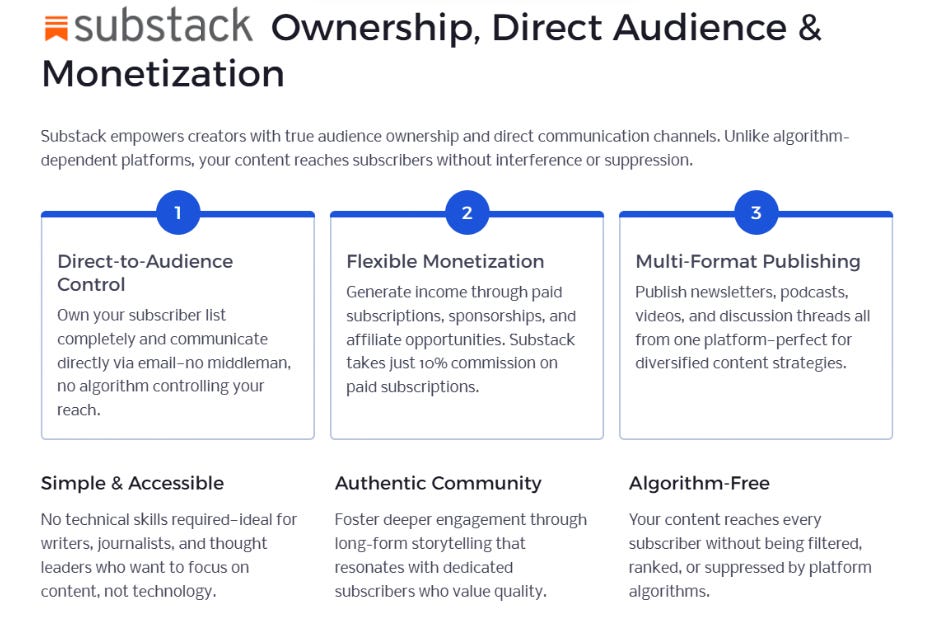
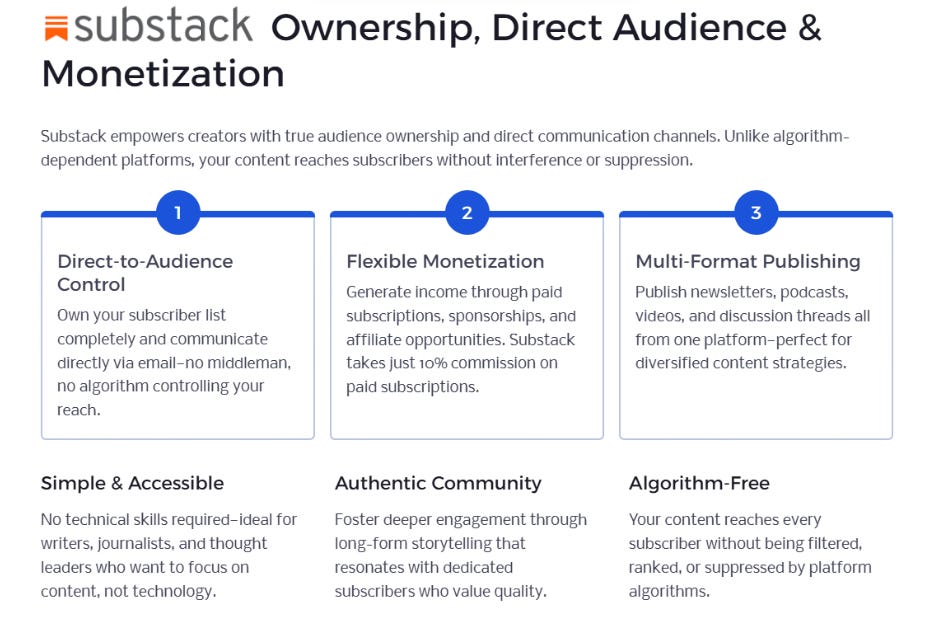
Substack® is best for owning your audience, monetization control, and automated repurposing.
Why each platform matters
LinkedIn®: Credibility and conversations that convert. Creator Mode, newsletters, and DMs are where relationships and inbound work happen.
YouTube®: Massive reach and unexpected habits (people watch on smart TVs). Shorts perform extremely well.
Substack®: True multi-format publishing: live, audio/podcast RSS, autogenerated transcriptions, and native short clips. You own the subscriber list and can add a paywall when you’re ready.
Practical tactics you can use now
Stop chasing every platform. Pick your core 2–3 based on where your audience already shows up and the formats you enjoy producing.
Go live weekly (or biweekly) even if engagement looks low. Lurkers convert over time; consistency is the engine.
Repurpose live content systematically: full recording → transcript → blog summary → 4 short clips → social posts linking back to your Substack or website.
Use platform-native suggestions. Substack’s autogenerated clips and blog drafts often outperform custom edits; test and lean into what the platform recommends.
Don’t substitute Canva templates for conversations. Templates won’t build trust; thoughtful live Q&As and short personal clips will.
Repurpose workflow (simple, repeatable)
Record live session (Zoom/Restream/YouTube/Stream).
Upload or connect RSS to Substack; let it auto-generate the transcript and suggested blog/shorts.
Edit the suggested blog to add context, links, and resources. Publish on Substack (auto-email to subscribers).
Export 3–6 high-performing clips as vertical shorts for YouTube, LinkedIn video posts, and Instagram/TikTok.
Create a short LinkedIn text post referencing the live with a CTA to the Substack blog and YouTube replay.
Track analytics: spot engagement peaks and double down on those topics.
Analytics + monetization notes
Look beyond vanity metrics: impressions aren’t the final answer. Track DMs, demo matches, website referrals and conversions.
Substack surfaces search-source data (Google, DuckDuckGo) and will tell you where people found you — use that to refresh business listings and SEO.
If you boost posts, treat paid as awareness only; follow-up with owned channels (email/Substack, website) to convert.
What to try next week (4 small experiments)
Post one 45–60s educational short from a recent live on YouTube shorts and LinkedIn video; measure 48-hr spike.
Publish the full recap blog to Substack and enable email notifications for subscribers.
Send a personalized DM on LinkedIn to five recent profile viewers that match your ideal client and invite them to the replay.
Clean your network periodically so the small percentage of people your posts reach is relevant and active.
Thank you to everyone who tuned into my live video! Join me for my next live video in the app.